My First Web Summit 🔗
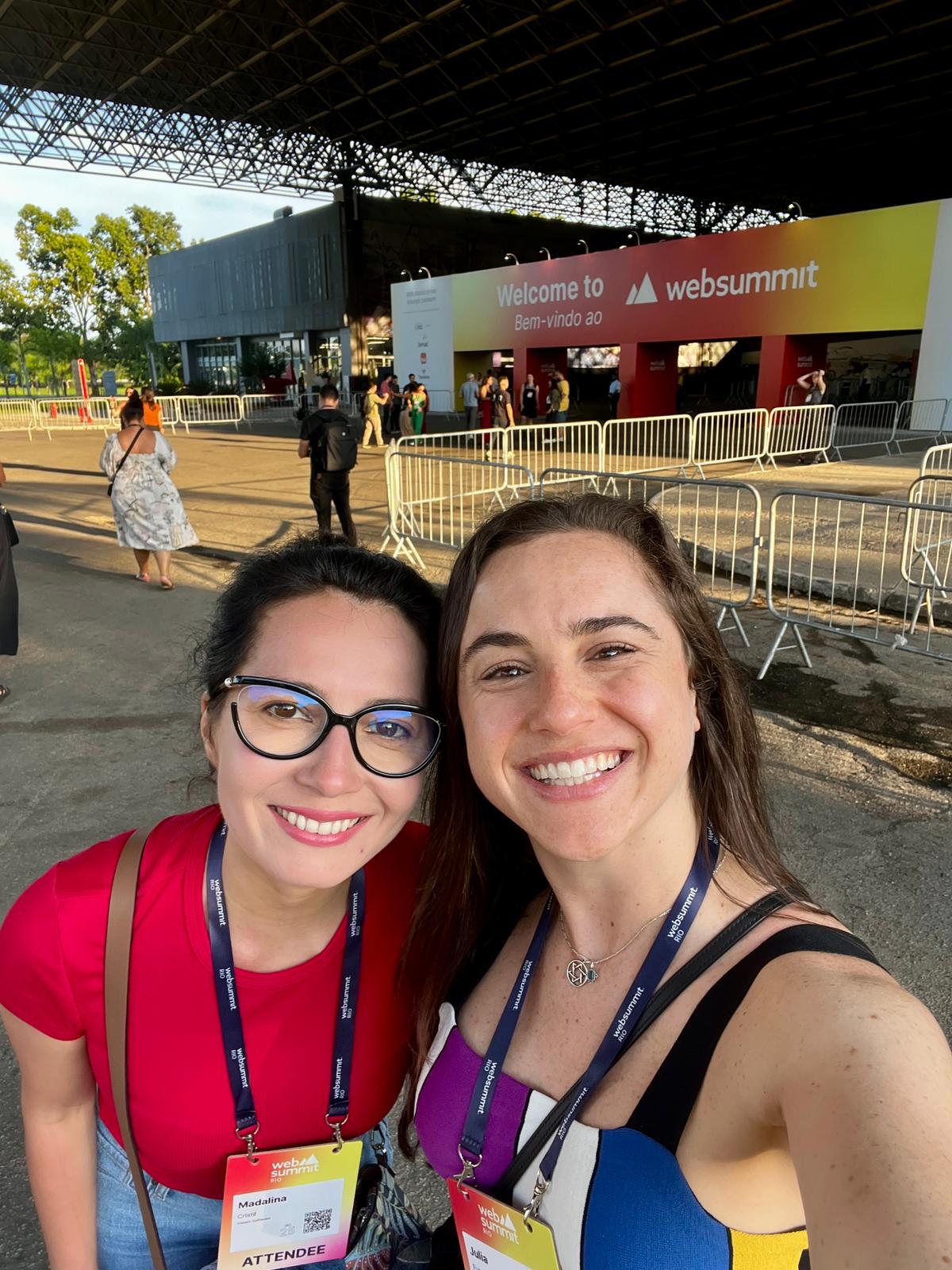
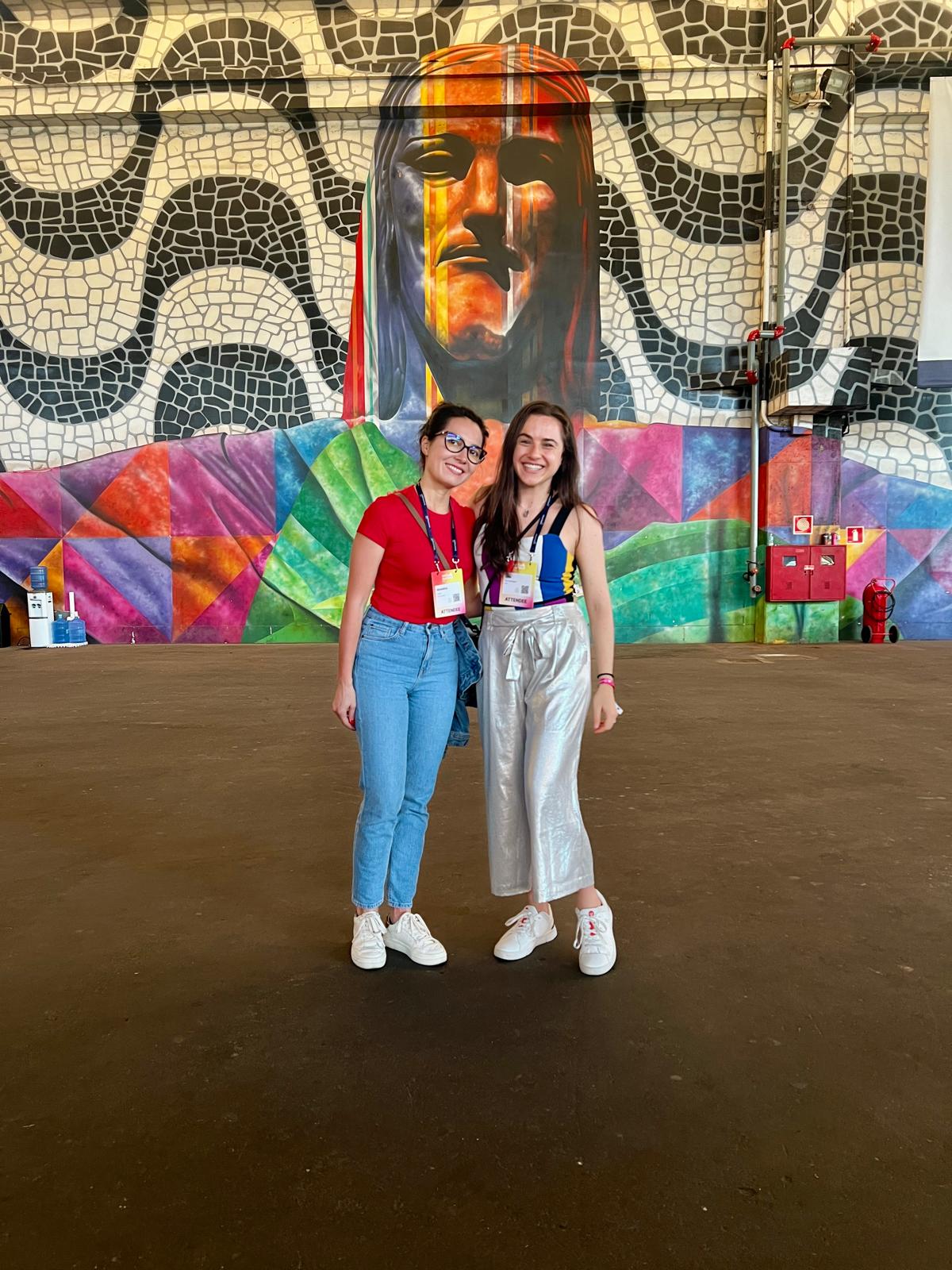
I just spent four days at Web Summit in Rio de Janeiro, and honestly… I’m still processing it all. There were 43,552 attendees. Yes, forty-three thousand. Including me and Madalina. I don’t think I’ve ever felt so anonymous. So here’s a little bit of what it was like for me.

The World Came to Rio 🔗
This wasn’t the usual tech event I’m used to. Firstly, it started on a Sunday, which already felt unusual. And it wasn’t centered around one domain like KubeCon and AWS re:Invent. It was a cross between a conference, a festival, and a cultural summit—with stages, music, startups, and innovation talks happening all at once.
The conference was a mix of everything: technology, business, politics, entertainment, social impact. A place where you’d have founders pitching their startups next to government ministers talking about regulation, and artists experimenting with AI. And everyone seemed to be asking the same question:
“Where do we go from here?”
Everything Everywhere All At Once 🔗
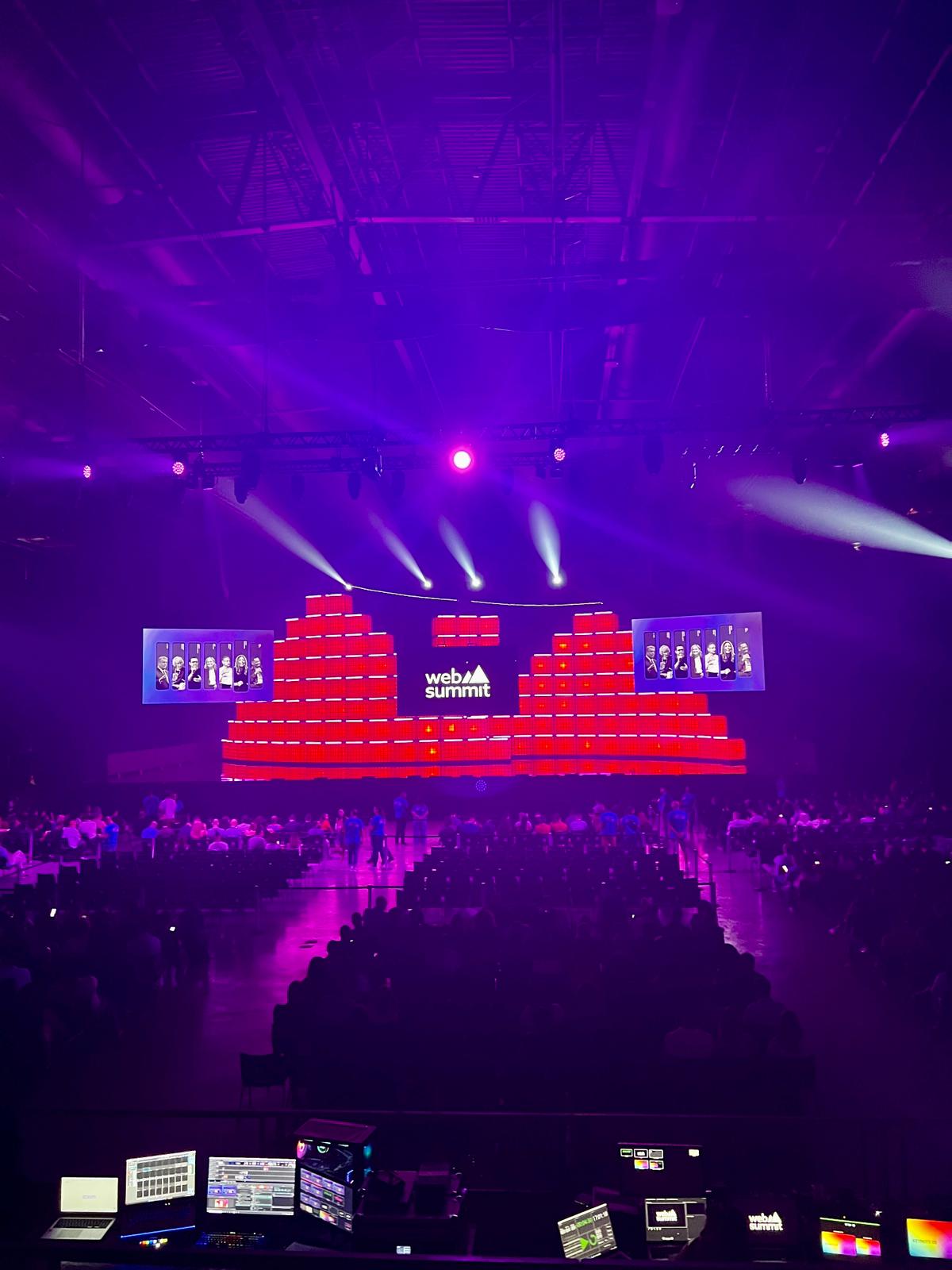
I had no idea Web Summit was this big. I mean, I knew… but I didn’t know.
- 10.000 steps each day
- 6 massive pavilions
- 13 tracks running at the same time
- 1,400 startups
- 657 investors
- Attendees from 102 countries
Each pavilion hosted multiple talks, startup booths, and company activations. Every time I chose a session, I had FOMO about the five others I was missing. My Notes app is full of half-thought quotes and keywords I barely recognize. I even recorded a short video in the bathroom to capture how overwhelmed I was, just to remember that moment later. I might post it later.
Brazil in the Spotlight 🔗
As a Brazilian, one of the most meaningful parts was seeing my country finally at the center of global discussions. The country’s market became a focal point due to its potential, scale, and unique characteristics—traits often overlooked in the global discourse.
A lot of the major talks, especially on the main stage, highlighted Brazil’s market, challenges, and innovation. People were paying attention to us not just as “a developing country” but as a leader in key conversations like fintech, climate tech, and social inclusion.
I’m so used to seeing global events focus only on the U.S. or Europe. But here, for once, it was different. I felt proud. And hopeful.
Things I Liked 🔗
Some highlights from the event were:
-
The diversity 45% of attendees were women. That’s rare at most tech conferences I attend. The Women in Tech program definitely helped with that, offering discounted tickets, special sessions, and meetups. The structure was there, but there’s still room to grow in terms of engagement. Many women skipped the women-only sessions because they clashed with other major talks. So while the intention was great, the execution could be better coordinated.
-
The infrastructure I know some people will complain about traffic and the occasional Wi-Fi glitch (because there’s always something to complain about), but coming from Brazil, I was honestly impressed. I picked up my badge on Sunday with zero lines. Things moved a little slower (like I told Madalina, time in Rio runs differently: one minute there is five minutes anywhere else) but volunteers were everywhere. There were police helping manage traffic, and it felt like all the details had been considered. They even had lockers for all sizes of luggages that you could rent through an app. Very thoughtful.
-
The experiences There was a Petrobras submarine simulator with Virtual Reality (unfortunately I didn’t get to go because I only saw it on the last day and there was a line of almost 200 people), met Desdemona the robot (a little too creepy if you ask me but I think these robots will be here sooner than what we think).
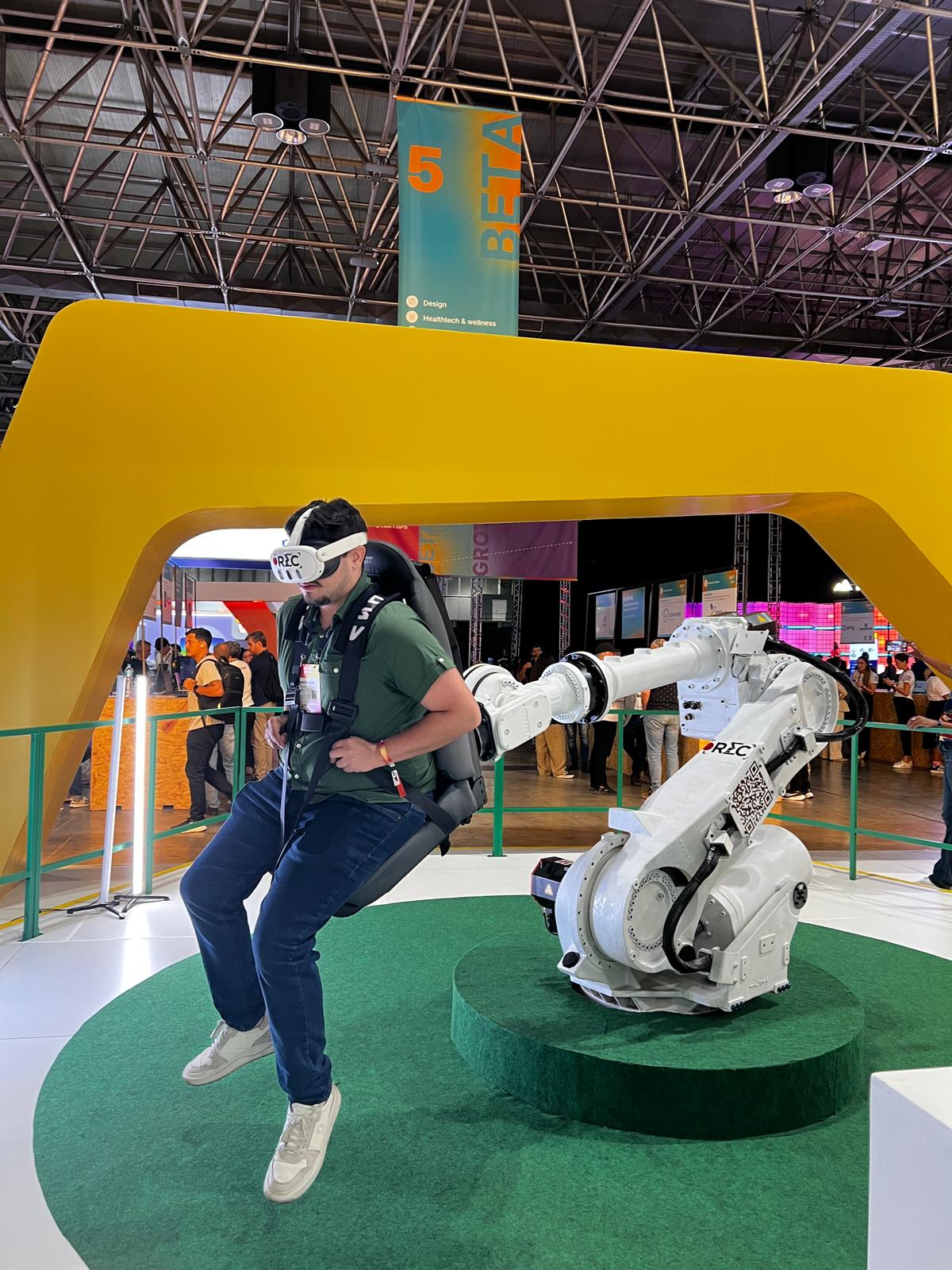
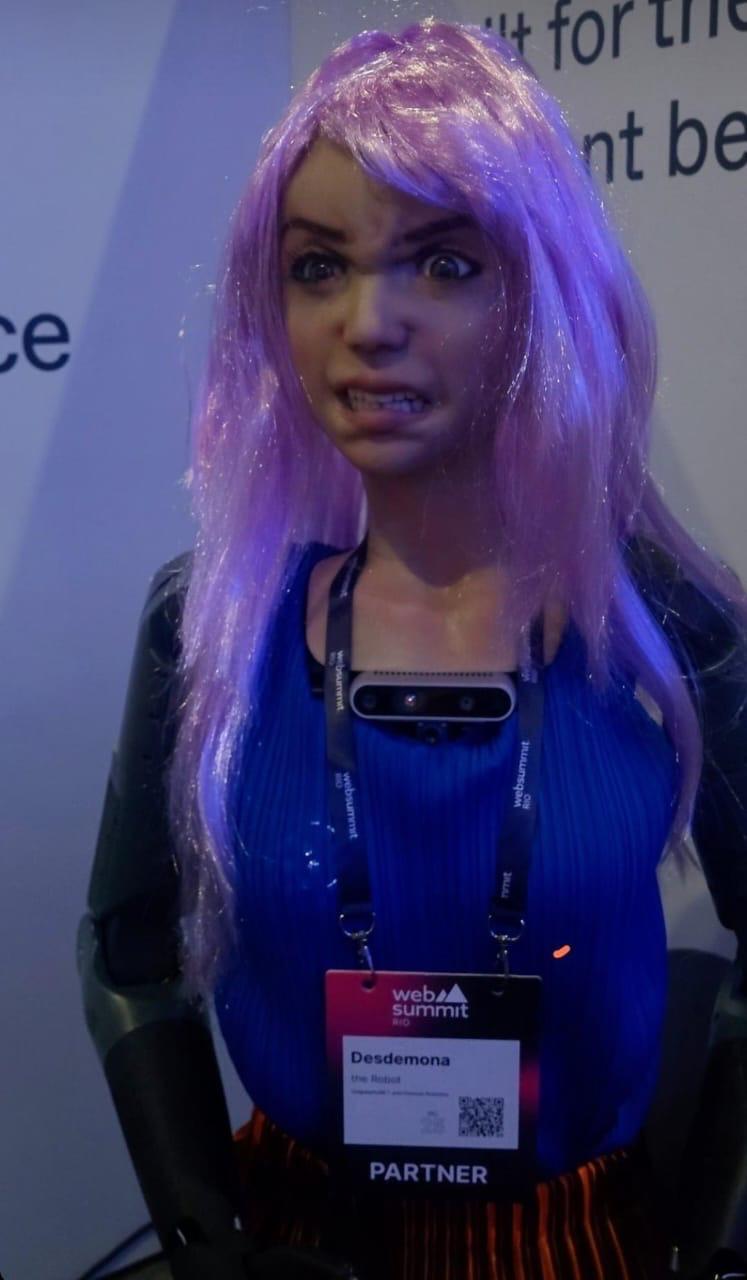
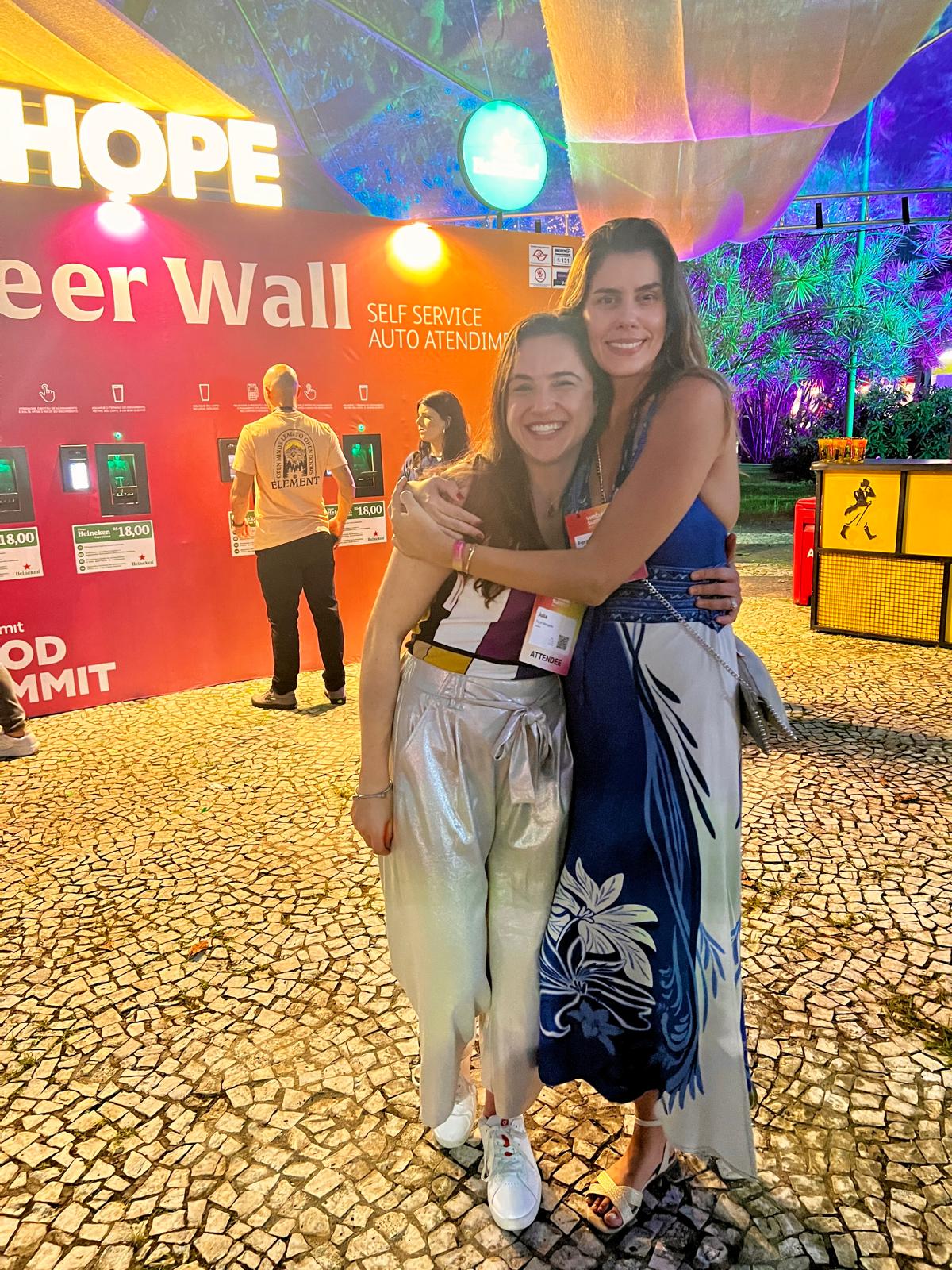
- The energy No complaints here. I mean, it was in Rio de Janeiro! The crowd had a completely different energy. Beyond the talks and panels, there was the Night Summit: a curated nightlife experience at local bars. I’m pretty sure some people didn’t even sleep during those four days.
And the Not-So-Great 🔗
It wasn’t perfect.
What stood out the most was the lack of accessibility. On the main stage, the audio wasn’t always clear, and there were no captions. Web Summit needs some adjustments to better serve diverse audiences. I didn’t see Brazilian Sign Language (Libras) on the main stage, nor captions or live translation on the screen (and we definitely have AI for that by now). This would make the event more inclusive for the bilingual deaf community and for so many others who don’t speak English.
Would I Go Again? 🔗
Maybe. But next time I’d go with a much clearer plan.
Don’t get me wrong, I’m glad I went. It was very inspiring, but it’s also the kind of event where, without defined goals or a network to plug into, you can easily feel overwhelmed.
The variety of topics made it harder to find my people. And while it was exciting to see big-name speakers, many of them just came, spoke, and left, no Q&A, no hallway conversations.
By Day 4, I was exhausted. My feet hurt (for the first time I had blisters on my little toe). My brain was overloaded. But I was also full of new thoughts, ideas, and questions.

Final Thoughts 🔗
The question on everyone’s mind was: “Where do we go from here?”
I don’t have a perfect answer. But here’s what I think:
We go with purpose. Tech should solve real problems that affect real people, not just chase hype or raise funding.
We go with AI and curiosity, but we must bring everyone along. Access and education have never been more crucial.
We go together. Inclusion isn’t a trend. It’s a requirement.
And we go with joy. Let’s make innovation feel human, warm, and welcoming.
Web Summit Rio 2025 was wild, inspiring, frustrating, energizing, chaotic, and unforgettable, all at once.
Thanks for reading. And thank you, Rio. 💙
Let’s connect on LinkedIn!